
Hydrogen: Key Player in a Renewable Energy Future


The Promise of Hydrogen in Renewable Energy
As the world shifts towards more sustainable energy solutions, hydrogen emerges as a crucial component in the transition to a cleaner future. Recognized for its versatility and abundance, hydrogen offers a promising alternative to fossil fuels. This element could be the key to unlocking a more sustainable and environmentally friendly energy system.
Understanding Hydrogen as an Energy Source
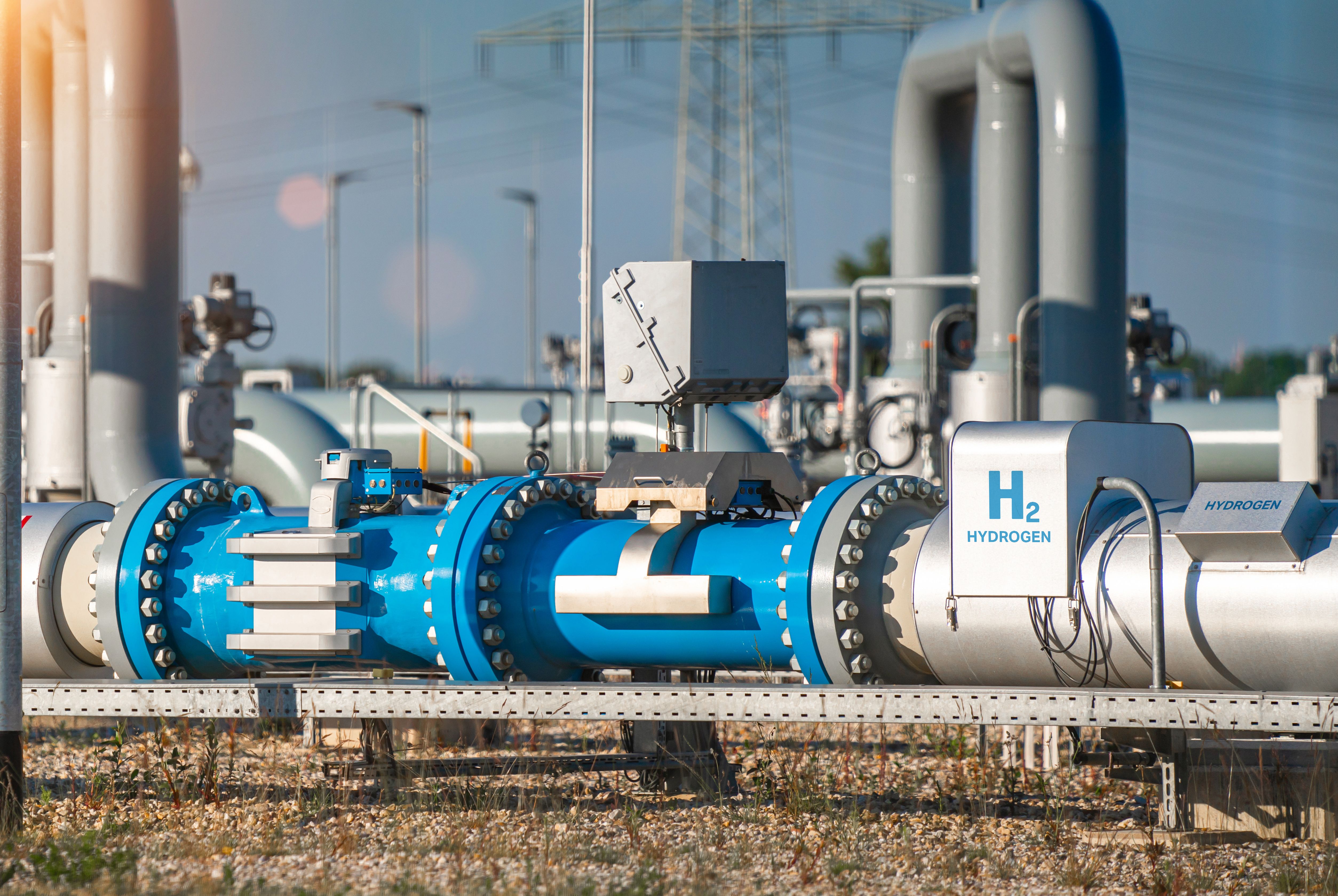
Hydrogen is the most abundant element in the universe and possesses the unique ability to store and deliver usable energy. When used in a fuel cell, hydrogen produces electricity by combining with oxygen, with water as the only byproduct. This process is not only efficient but also significantly reduces carbon emissions compared to traditional energy sources.
The potential of hydrogen extends beyond electricity generation. It can be used in various applications, including transportation, industrial processes, and even residential heating. Its adaptability makes it an attractive option for integrating into existing energy infrastructure.
Hydrogen Production Methods
There are several methods for producing hydrogen, each with varying environmental impacts. The most common methods include:
- Steam Methane Reforming (SMR): Currently, the dominant method, SMR involves extracting hydrogen from natural gas but results in significant carbon emissions.
- Electrolysis: Utilizes electricity to split water into hydrogen and oxygen, especially promising when powered by renewable energy sources like wind or solar.
- Biomass Gasification: Converts organic materials into hydrogen through high-temperature processes.
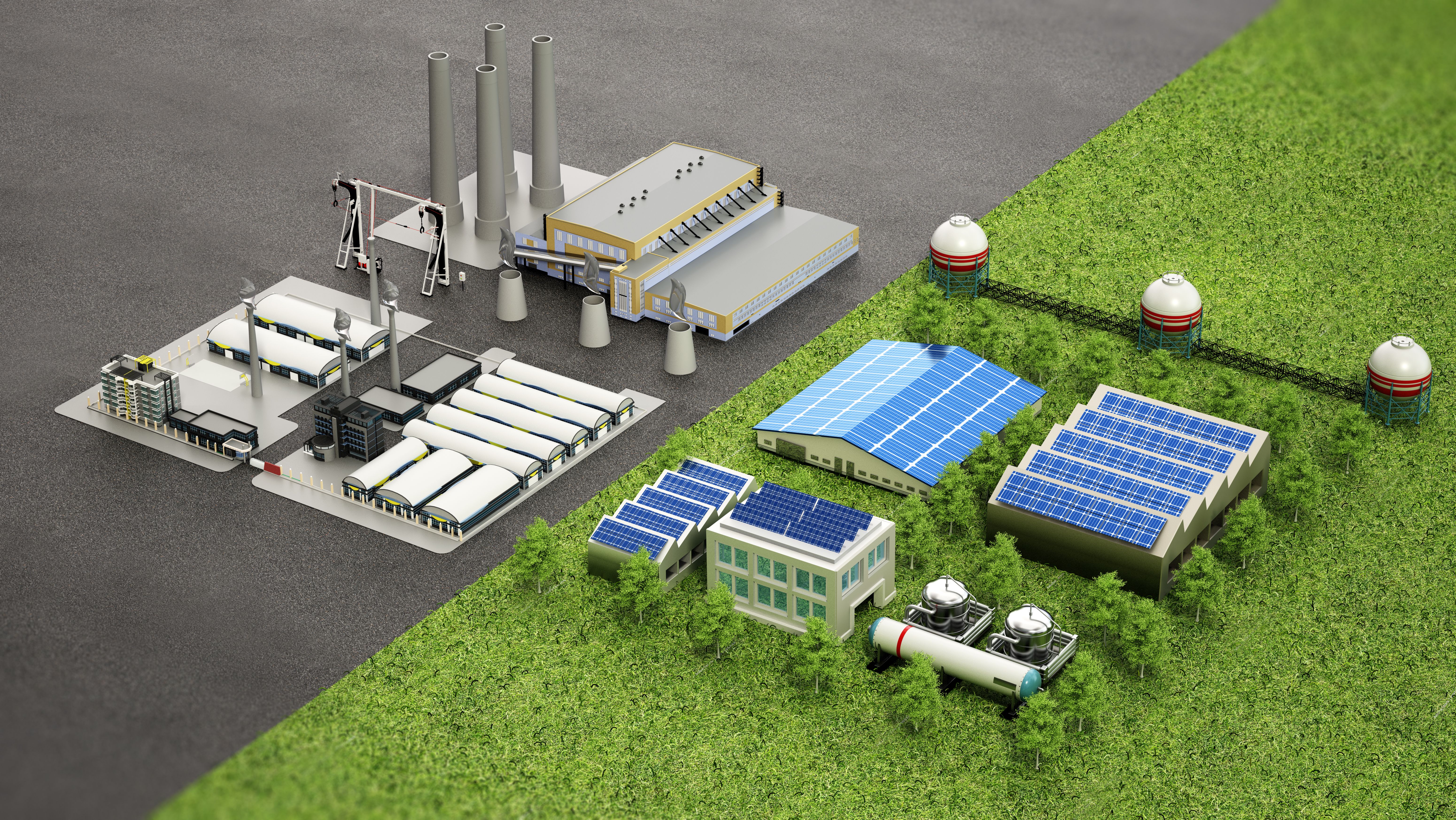
Green hydrogen, produced via electrolysis using renewable energy, offers the most sustainable solution, eliminating emissions and supporting a circular economy.
The Role of Hydrogen in Transportation
The transportation sector is one of the largest contributors to global carbon emissions. Hydrogen fuel cells offer an exciting solution for reducing these emissions, especially for long-haul vehicles and public transportation systems. Unlike battery electric vehicles that require long charging times, hydrogen fuel cells can be refueled quickly, making them ideal for fleets and heavy-duty applications.
Countries around the world are investing heavily in hydrogen infrastructure to support this transition. From hydrogen-powered buses to trains, the adoption of this technology is gaining momentum as more governments recognize its potential to decarbonize transportation.
Challenges and Opportunities
Despite its promise, several challenges must be addressed for hydrogen to play a central role in our energy future. These include the high cost of production, the need for extensive infrastructure development, and the current reliance on fossil fuels for hydrogen production. However, ongoing research and innovation are paving the way for overcoming these obstacles.

Opportunities abound in the form of government incentives and investments in research and development. As technology advances and economies of scale are achieved, the cost of producing and utilizing hydrogen is expected to decrease, making it more competitive with conventional energy sources.
The Future of Hydrogen Energy
The integration of hydrogen into our energy systems represents a critical step toward achieving global sustainability goals. By harnessing its potential, we can drastically reduce our carbon footprint and pave the way for a cleaner, greener future. As countries continue to invest in hydrogen technologies and infrastructure, its role as a key player in renewable energy becomes increasingly clear.
Ultimately, hydrogen's versatility and environmental benefits make it indispensable in our quest for a sustainable energy future. As we continue to innovate and invest in this promising resource, we move closer to realizing a world powered by clean, renewable energy.